The Reality of European Urban Architecture
If you are moving within the same neighborhood or jumping across three countries, European cities share one glorious yet tricky feature: they were generally built for horses, carts, and pedestrians long before large moving vans and modular corner sofas existed.
Whether you are arriving in Berlin's Friedrichshain, climbing a 19th-century staircase in Paris, navigating a narrow canal side in Amsterdam, or unpacking in a revitalized courtyard in Riga or Tallinn, your physical access constraints dictate your entire moving day.

Berlin & Vienna
High ceilings, courtyard entryways (Hinterhof), and mandatory Halteverbotszone parking permits.
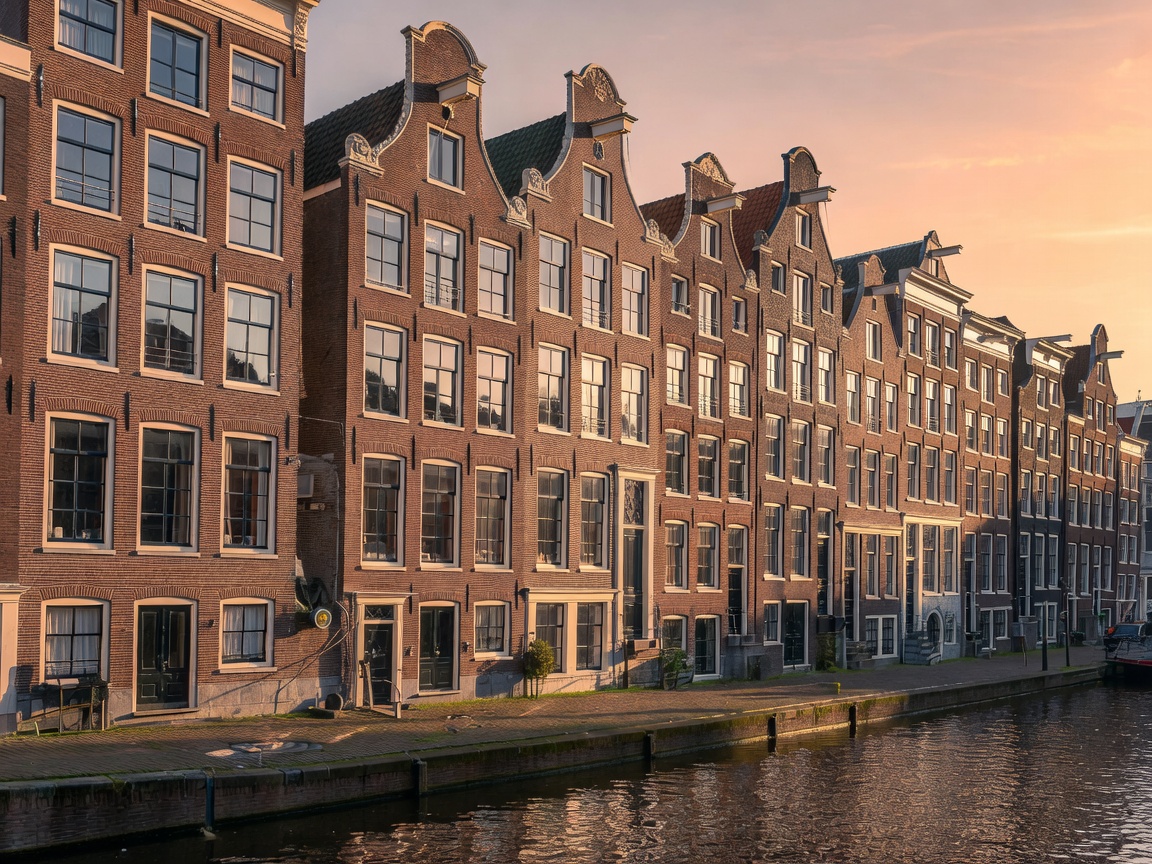
Amsterdam & Brussels
Narrow steep spiral stairs, exterior facade hoist beams, and strictly regulated canal side vehicle access.
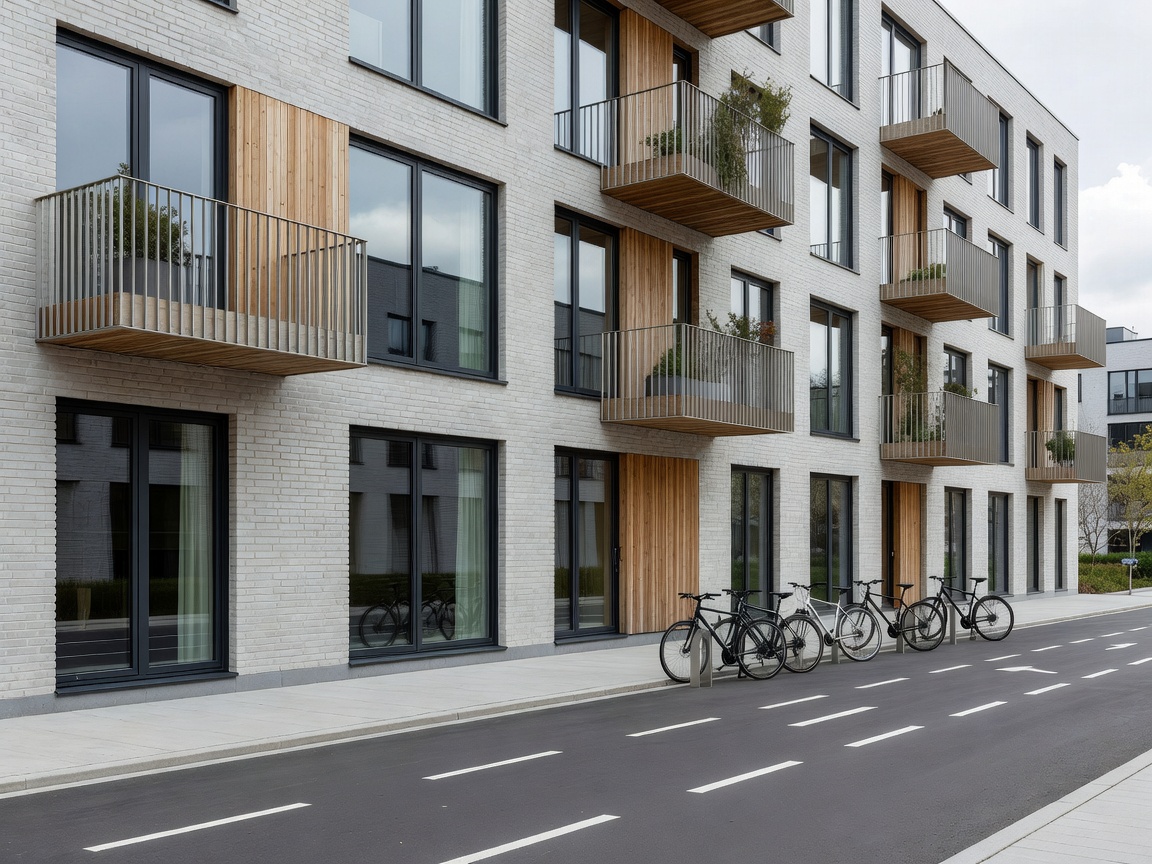
Riga, Tallinn, Stockholm
Spacious service elevators in modern quarters, winter temperature protection, and electronic door fobs.
Building Access, Elevators, and the Staircase Audit
The first question isn't how many boxes you have; it's how those boxes will physically enter the new building. In modern quarters across Warsaw, Copenhagen, or Madrid, new developments often boast wide elevators, underground freight bays, and level loading docks.
Historic cores in Paris, Prague, or Barcelona, on the other hand, frequently feature charming, winding staircases that barely fit two people walking abreast. Here, standard box sizes matter immensely. An oversized wardrobe or solid wooden dining table simply cannot turn the 90-degree corner between the third and fourth floors. In cities like Amsterdam or Brussels, residents regularly book exterior ladder lifts (verhuislift) to bring heavy furniture through large front windows rather than fight the stairwell.
Always measure three things before your moving day: the diagonal clearance of your apartment entry door, the interior width of the elevator door, and the tightest turn of your communal stairwell. If a piece of furniture exceeds these dimensions by even two centimeters, it won't magically bend.
Street Parking and Municipal Permits
You cannot simply park a seven-tonne transport van on a double yellow line in central London, block a bicycle arterial in Copenhagen, or park unannounced on a tram street in Lisbon. Most European municipalities require formal moving permit applications.
In Germany, this is the Halteverbotszone—a temporary no-parking zone registered with the city hall, complete with certified street signs erected 72 hours beforehand. In France, an autorisation de stationnement is required for moves exceeding small passenger vehicles. Neglecting this paperwork usually leads to heavy fines or moving crews having to carry heavy boxes 200 meters down the cobblestone street.
Regional vs Continental Moves
Moving between two cities within the same geographic cluster—say, Riga to Tallinn (approx. 310 km), or Vienna to Prague (approx. 330 km)—feels much like an extended domestic move. The transport vehicle often completes the transit within a single day. You pack in the morning, the van drives during the afternoon, and unloading starts that evening or the next morning.
In contrast, moving from Stockholm to Lisbon (over 3,500 km) or Berlin to Barcelona is a continental expedition. It involves multi-day transit windows, rest periods mandated by European transport regulations for drivers, and potential weather adjustments across mountain passes or coastal corridors. For these distances, your arrival timeline must build in a comfortable buffer.
Timing and Neighborhood Access Windows
Many historic European districts have designated loading and unloading hours, typically between 07:00 and 11:00 in the morning. After that, automated bollards rise, or pedestrian-only regulations take effect. When coordinating with drivers or friends helping you carry boxes, align with these local schedules to avoid being locked out of the street.
Remember, moving between European cities is entirely manageable once you treat the physical quirks of your destination as known parameters rather than last-minute surprises. Plan the access, measure the corners, secure your parking spot, and your arrival will be as smooth as a fresh cup of coffee in your new neighborhood café.